Painkillers start as relief and morph into routine. One pill for headaches, one “just in case,” one because the bottle is there. Over time your baseline pain seems worse, not better, and you feel trapped between suffering and sedation.
Pain Is Also a Program
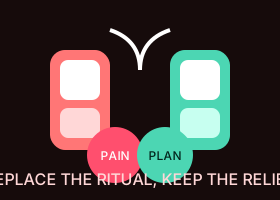
Chronic discomfort rewires the brain to expect relief on schedule. Remove the pill without replacing the ritual, and your nervous system amplifies discomfort until you cave. That’s why taper plans collapse: biology plus psychology equals sabotage.
The fix is to replace the relief ritual. Specify what happens when the clock hits “dose time”: mobility drills, heat pads, contrast showers, breathwork, journaling pain levels, whatever actually supports healing. Without this script, tapering feels like punishment.
Map Your Taper With the Quest
Use the framework from the book or the web3 quest to write the replacement program. The quest is free; it just requires two project tokens in your wallet. Sell them later if you wish. While they’re parked, you can rewrite multiple habits.
Layer in Sensory Interrupts
The brain expects the dopamine hit that painkillers deliver. Replace it with safe stimulants: peppermint oil, acupressure mats, vagus-nerve breathing, light therapy. These signals convince your nervous system “we’re doing something,” reducing withdrawal anxiety.
FAQ
Will this stop withdrawal? No method can erase physical withdrawal, but replacement routines reduce panic and prevent rebound use.
What about rebound headaches? Track triggers, hydrate aggressively, and stack magnesium + gentle cardio as advised by your doctor. Replacement programming keeps you from reflexively reaching for pills.
Can I use this with medication-assisted therapy? Absolutely. The replacement routine supports MAT by addressing the behavioral side while doctors handle the chemistry.